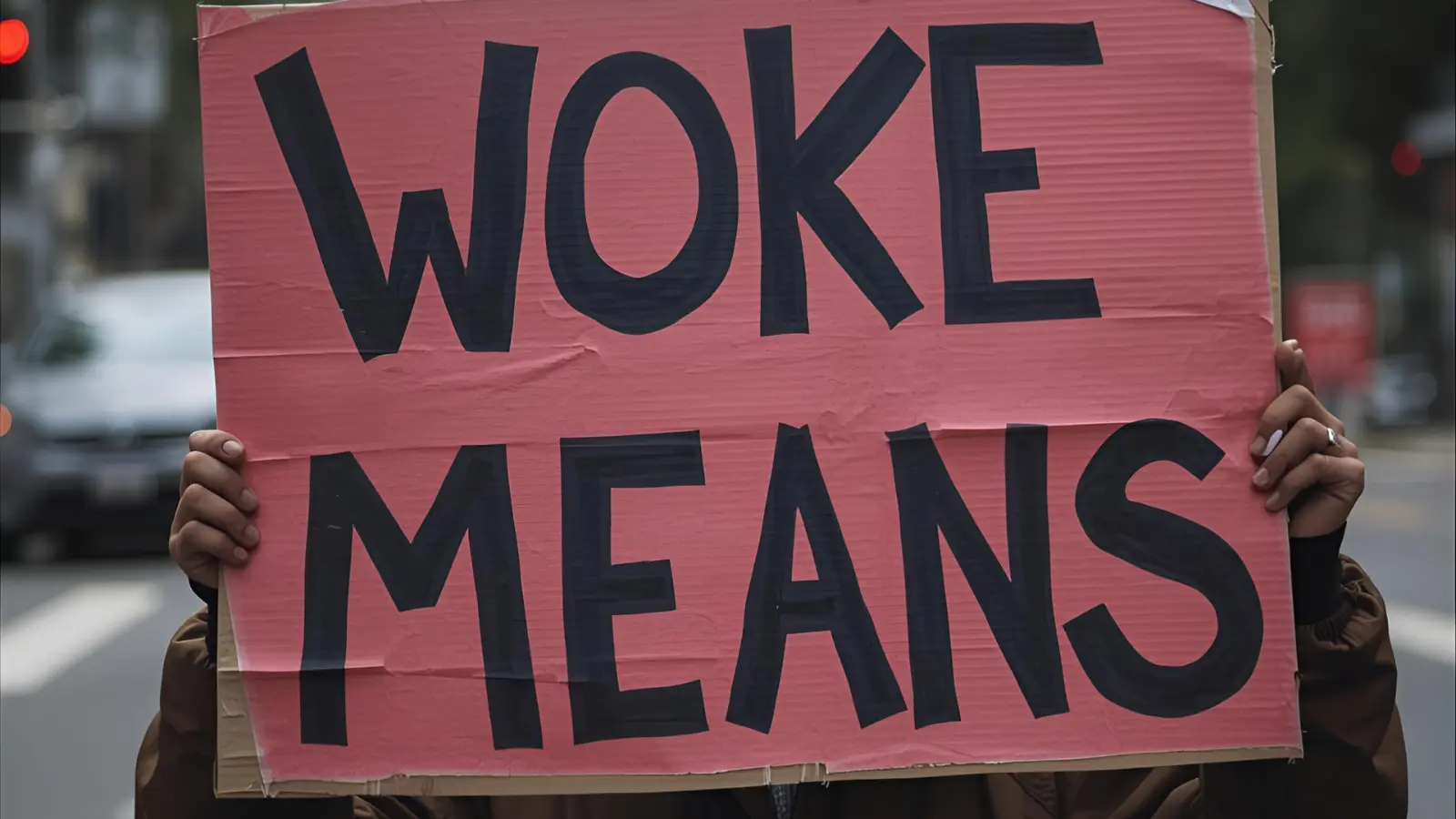
Language evolves faster than fashion trends — and one word that has taken over internet culture, political debates, and everyday convos is what does woke mean.
You’ve seen it in memes, TikTok comments, debates on social media, and maybe even from your parents trying to sound cool (and failing just a bit 😅).
This term has gone from empowerment to irony and even criticism depending on who uses it — and how.
So let’s break it down clearly, without the confusion, drama, or misinformation.
⚡Quick Answer: “Woke” in One Sentence
“Woke” refers to being aware of social injustices, especially around race, gender, identity, and inequality — and actively caring about fixing them.
But the story doesn’t end there. 👇
🌱 Where “Woke” Came From — The Real History
Even though the word feels very Gen-Z, it actually has deep historical roots.
✨Origin Highlights:
- Started in African American communities 🤝
- Connected to the Civil Rights Movement
- Used to encourage awareness about racism
- Popularized in music and pop culture (“stay woke”)
It originally meant being awake and alert to the injustices that society tries to hide.
👉 Being “woke” = Not sleeping on serious issues like discrimination.
🎭 How the Word Went Mainstream
Fast-forward to the internet era…
Social media took the word global. It became:
- A hashtag 🏷️ #StayWoke
- A movement 🌍 for equality
- A vibe ✊ that challenged outdated thinking
Celebs, influencers, activists — everyone embraced it to show they cared about fairness.
But when something becomes viral… people start twisting it.
🔄 The Evolution: From Empowering to Controversial
Today, the word has two different meanings depending on who you ask.
🤝 Positive Meaning:
- Caring about human rights
- Supporting marginalized groups
- Being educated about real-world problems
- Calling out harmful behavior
🙄 Negative Meaning (Used by Critics):
- “Doing too much”
- Fake activism for attention
- Making everything political
- Cancel culture & extreme reactions
So, some use it as a compliment…
Others use it as a sarcastic jab.
Example:
- Positive: “She’s woke — she always stands up for fairness.”
- Negative: “Ugh, that’s too woke. Chill.”
Language vibes change fast — welcome to the internet 😎
💡Why “Woke” Became a Meme
Let’s be honest…
The internet loves turning serious things into jokes 🧌
Here’s why memes picked it up:
- Easy to mock anything labeled “woke”
- Culture wars = content
- People love calling out hypocrisy
- Satire spreads faster than facts
Funny example:
“When you recycle once and now you’re the most woke person alive ✨♻️”
Whether you agree or not — the humor keeps it alive.
🧠 The Psychology Behind the Term
Why does this word trigger such BIG reactions?
Because it touches topics like:
- Freedom of speech 🗣️
- Identity 🌈
- Politics 🏛️
- Ethics ⚖️
People feel strongly about these.
So one tiny word becomes a whole debate.
🔥 “Woke” vs. “Awareness”: What’s the Difference?
Not everyone who is aware calls themselves woke.
| Awareness | “Woke” (Positively) |
|---|---|
| Learns quietly | Takes action publicly |
| Personal growth | Social change |
| Less political | Connected to activism |
Both can be good.
One just has more… internet attention.
🕵️♂️ Examples of “Woke” in Real Life
Here are some quick, relatable scenarios:
| Situation | What People May Say |
|---|---|
| Supporting LGBTQ+ rights | “That’s woke energy.” |
| Calling out racism | “Stay woke.” |
| Adding gender-neutral bathrooms | “A woke policy.” |
| Removing problematic characters from movies | “Hollywood is too woke now.” |
| Protecting mental health | “Normalize woke self-care.” |
Sometimes it’s appreciation — sometimes sarcasm.
Context = everything.
📱How Gen-Z Uses It Right Now
Gen-Z doesn’t take anything 100% seriously — including this word.
Current usage trends:
- Ironically (“So woke, bestie 💅”)
- To call out performative activism
- To show support — subtly
- As a meme reply to nonsense
Gen-Z made it fun, sharp, and self-aware.
🚫 When “Woke” Goes Wrong
The flip side?
Sometimes the term gets weaponized:
- Used to silence people speaking up
- Used to insult those who care about change
- Used to hide real issues under mockery
When a word becomes a punchline, the original meaning can fade.
🎬 “Woke” in Pop Culture & Politics
Movies, brands, politicians — everyone is using it.
Examples:
- Films adding diverse characters → “woke casting”
- Companies celebrating Pride Month → “woke marketing”
- Politicians arguing about values → “woke ideology”
It has become a cultural battleground.
🧩 So… Should We Still Use the Word?
There’s no rule, but here’s a thought:
Use it when you mean:
- Caring about others
- Fighting for equality
- Standing up for justice
Avoid it when it becomes:
- A lazy insult
- A meme replacing real conversations
- A tool to shut people down
Words shape culture.
Choose wisely 💛
🎯 Final Thoughts: The Real Meaning Today
“Woke” started as a powerful message about staying aware and fighting for what’s right.
Even if the internet spins it into jokes and arguments,
the heart of the word remains:
✨ Care about people. Speak up. Don’t sleep on injustice. ✨
Staying awake is better than being unaware — always.

Daniel Brown is a creative slogan writer from New York, USA. With a passion for branding and catchy taglines, she crafts slogans that are short, powerful, and unforgettable.