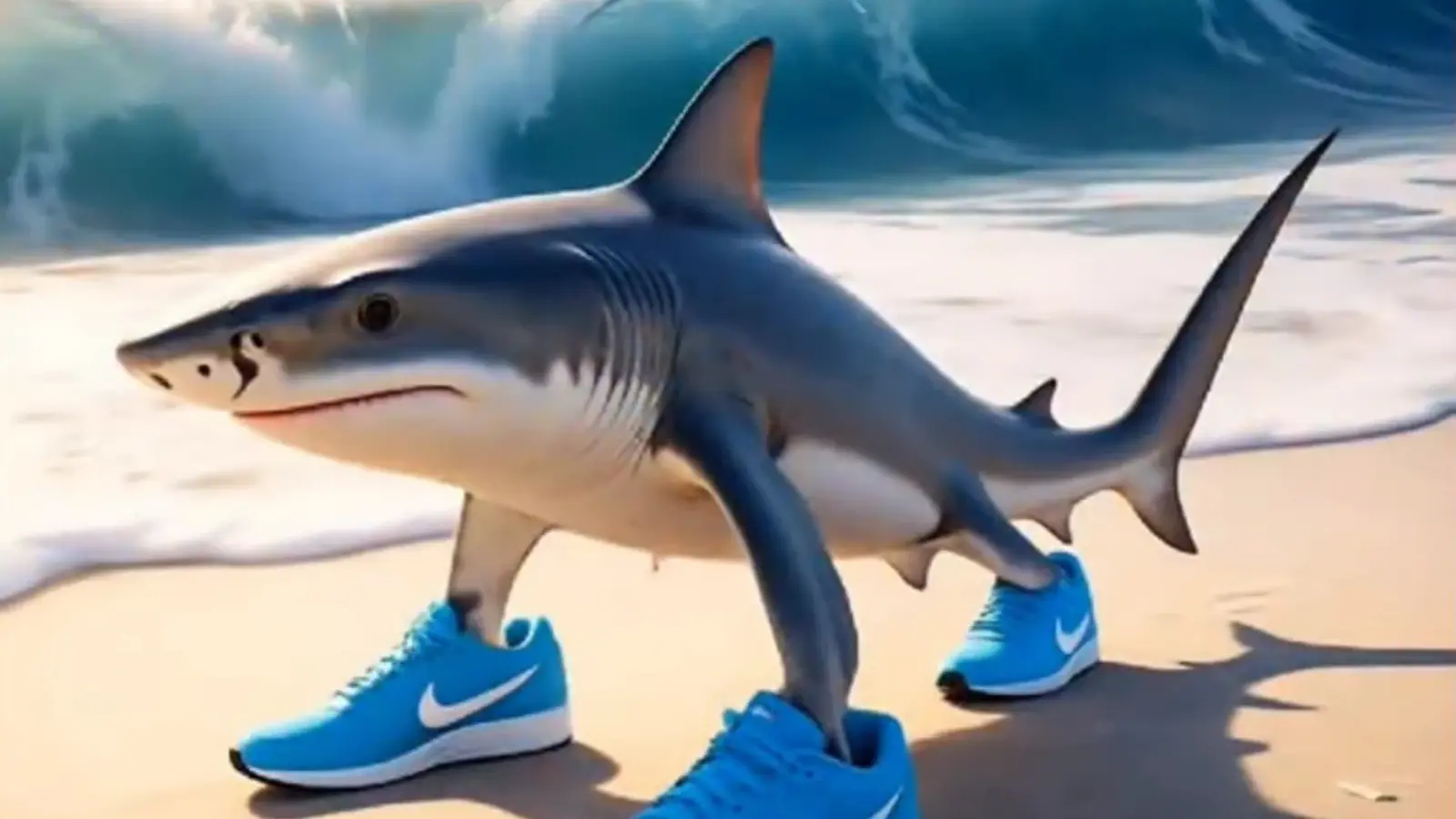
Internet culture evolves faster than we can blink, and every few weeks a new phrase, meme, or random sound goes viral. One of the latest expressions taking over social feeds is “what does tralalero tralala mean”, leaving people confused, entertained, and curious at the same time. If you’ve seen it on TikTok, heard it in a meme remix, or found it in a comment section — you’re not alone.
This guide breaks down what the phrase means, why it’s trending, and how people use it online. No confusing jargon — just a clean, simple, Gen-Z-approved explanation.
🔥 Quick Answer
“Tralalero tralala” doesn’t have a literal dictionary meaning.
It’s a playful, rhythmic, nonsense phrase used for humor, memes, music edits, and expressing a carefree or goofy mood.
It often appears in TikTok audios, joke comments, or exaggerated reactions where the sound matters more than the meaning.
🎵 Where Did the Phrase Come From?
The expression feels new because it recently resurfaced on social media, but its roots actually go way back.
🌍 Historical + Musical Origins
“Tralalero” is tied to:
- Italian folk music, especially a vocal style from Genoa
- Traditional choral performances featuring rhythmic syllables
- The use of nonsense vocalizations to create musical harmony
So while “tralalero” and “tralala” don’t translate to real words, they’ve existed for decades in the world of musical improvisation.
📱 Modern Social Media Revival
Social platforms reinvent old sounds all the time.
Creators began using the expression in:
- Meme audios
- Remix videos
- Silly reaction content
- Edits that needed a goofy, upbeat vibe
And suddenly… it became a trend again.
😆 Why Is It Trending Right Now?
Because it’s fun, catchy, and slightly chaotic — the winning combination for any viral phrase.
✨ Reasons for Its Popularity
- Memes love nonsense words
Random syllables grab attention and spark curiosity. - Creators use it as a filler sound
Perfect for jokes, transitions, and ironic edits. - It’s expressive without needing meaning
The sound feels funny, even if you don’t know why. - The rhythm makes it ear-worm material
People enjoy repeating it or adding it to audio edits.
📌 Popular Contexts
- TikTok audios
- Instagram reels
- YouTube shorts
- Comment replies
- Discord or gaming chats
- Humorous text conversations
🤓 The Meaning (In Simple Gen-Z Terms)
Even though it’s nonsense, it implies a vibe.
🎭 Implied Meanings Depending on Context
- “I’m doing something goofy.”
- “Life is chaotic but whatever.”
- “This part doesn’t matter, let’s skip ahead.”
- “Insert silly sound effect here.”
- “I’m being dramatic on purpose.”
- “This is a vibe and I can’t explain it.”
Basically, it’s the verbal equivalent of ✨vibing✨.
😂 Examples of How People Use It
Here are some realistic, modern usage examples:
💬 Texting Examples
- “Bro I walked into the wrong class like tralalero tralala 😭”
- “Me cleaning my room while losing my mind: tralalero tralalaaaa”
- “When you don’t know what’s going on: tralala mode activated.”
📱 Social Media Caption Examples
- “POV: You’re wandering through life like… tralalero tralala ✨”
- “My brain at 3 AM: tralalero tralala 🎶”
- “This audio has no reason to go this hard 😂”
🎧 Meme / Audio Usage
Creators use it for:
- Chaotic edits
- Skits with dramatic sound effects
- Transitions
- Dance memes
- Over-the-top reactions
- Goofy storytelling videos
🎤 What Tone Does It Create in Conversation?
The phrase is not serious, not literal, and not deep — and that’s its charm.
🎉 Tones It Creates
- Playful
- Carefree
- Silly
- Irrelevant
- Ironic
- Musical
- Chaotic energy
If someone uses it, they’re either joking or dramatizing something for fun.
🧠 Why Do Nonsense Words Become Trends?
Language on the internet isn’t about grammar — it’s about sound, vibe, and shareability.
Nonsense words go viral because:
- They’re universal — no translation needed.
- They’re low-effort humor.
- They sound catchy.
- They spark participation — everyone can remix or recreate them.
- Memes thrive on absurdity.
“Skibidi,” “bing bang boom,” “rizz,” “goofy ahh,” and many others started this same way.
🎶 How the Rhythm Makes It Memorable
“Tralalero tralala” has a musical pattern:
- Repetition
- Alliteration
- A playful bounce
- A sing-song tone
Even if you try to forget it, your brain refuses.
It’s basically a natural meme.
🤔 Is There a Real Translation?
Short answer: No.
Long answer: It’s phonetic, not linguistic.
📝 Why It Doesn’t Translate
- It consists of syllables, not words.
- Many cultures use similar sounds in music or folk chants.
- The meaning is emotional, not literal.
- Social media doesn’t care about grammar — just vibes.
So instead of trying to translate it, it’s better to understand how it’s used.
🌐 Cultural Variations of Similar Expressions
Different cultures use rhythmic nonsense phrases:
- “Tra-la-la” — English nursery songs
- “La-di-da” — to act carefree
- “La la la laa” — filler in pop music
- “Tararara” — comedic build-up sounds
- “Lalalalala” — used in remixes and EDM
They all serve the same purpose:
To express sound, mood, or energy — not meaning.
😂 Situations Where It Fits Perfectly
Here are everyday scenarios where people drop it effortlessly:
🎒 School / College
- When you forget your homework
- When you walk into the wrong classroom
- When the teacher asks a question you don’t understand
🎮 Gaming
- Running into danger with zero plan
- Celebrating a win in a goofy way
- Filling awkward silence in voice chat
💼 Work
- Pretending to be busy
- Passing by your boss’s office
- Doing tasks you don’t fully understand
🧍♂️ Social Life
- Entering a room with chaotic energy
- Dancing with your friends
- Acting silly during a conversation
It’s flexible, and that’s why it spreads easily.
📚 NLP-Friendly Meaning (For SEO Clarity)
In natural language understanding:
- It’s a nonsense lexical string.
- It conveys expressive emotion rather than semantic meaning.
- It’s used as social filler in communication.
- It adds playfulness and informal tone to digital conversation.
This helps search engines understand why people look it up.
🕺 How to Use It Yourself
You can drop it anywhere you want a fun, carefree tone.
⭐ Try using it when:
- You want to exaggerate a moment
- You’re being silly
- You’re ignoring stress
- You’re entering with dramatic flair
- You’re filling silence
- You’re joking around
It’s a vibe. Use it freely.
🧩 Why People Ask About Its Meaning
Because when a random phrase gets popular, curiosity spikes — especially when it sounds like it should mean something but doesn’t.
Searchers typically wonder:
- Is it slang?
- Is it from a song?
- Is it cultural?
- Is it a meme?
- Is it a joke?
- Does it translate?
This guide answers all of that in one place.
🔚 Conclusion: It’s All About the Vibe
“Tralalero tralala” doesn’t need a dictionary definition to matter.
It’s fun, chaotic, rhythmic, and perfect for today’s meme-driven culture.
It means:
- Nothing literally
- Everything emotionally
It’s a sound, a vibe, a mood, and a meme — all at once.
Use it whenever you want to add humor, randomness, or chaotic energy.
That’s the entire point of the phrase.

Emily Johnson, based in Los Angeles, is a professional copywriter specializing in business and marketing slogans. His work focuses on helping brands stand out with unique and impactful taglines.