
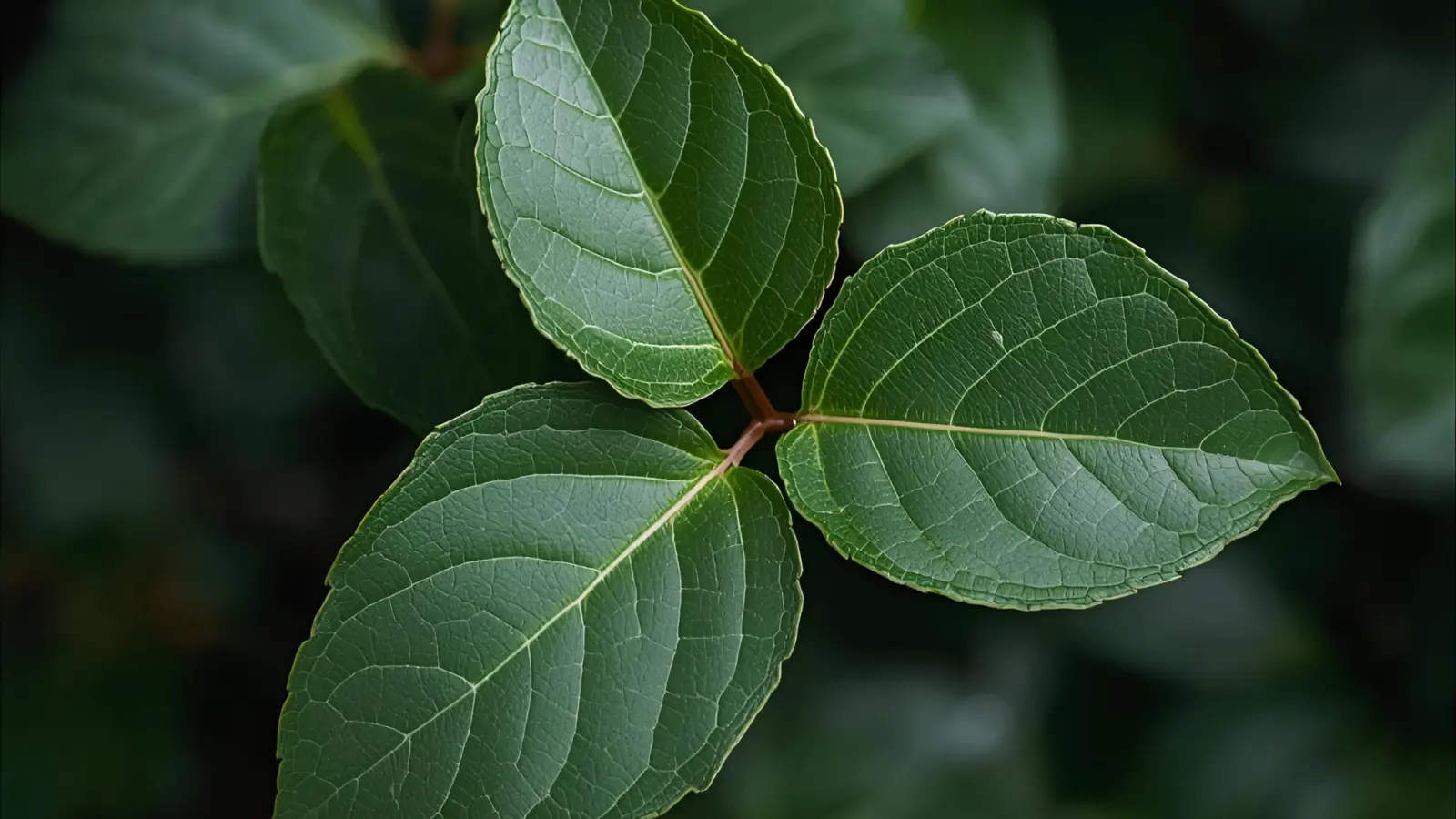
If you love hiking, picnics, camping, or just chilling outdoors, the last thing you want is a super itchy surprise from a plant you accidentally touched.
Many people can’t actually tell what poison ivy looks like until it’s too late. And trust me—those itchy red bumps are NOT a fun memory to bring home.
Whether you’re a nature newbie or a wilderness pro, learning plant recognition is a major life skill.
👉 Quick reminder: the rash isn’t contagious, but the plant oils spread like drama—fast.
So, let’s break it down in a way that’s simple, visual, and easy to remember.
⚡ Quick Answer: What does poison ivy look like?
Poison Ivy usually has three almond-shaped leaflets growing from a single stem.
The leaves can be shiny or dull, green in summer and red/orange in spring and fall. It may grow as a vine, small plant, or climbing shrub—often on trees or fences.
If you see “leaves of three, let it be!” — avoid touching!
🌱 Why Poison Ivy Causes Itchy Nightmares
Poison ivy contains an oil called urushiol
— the real villain of the story. Even a tiny drop is enough to trigger a burning, blistering rash.
Where urushiol hides:
- On the leaves
- In the stem
- On the vines
- EVEN IN THE DEAD WINTER ☠️
Fun (or not-so-fun) fact:
➡️ About 85% of people are allergic to this sneaky plant.
Touching it directly isn’t the only danger. Urushiol can cling to:
- Clothes and shoes
- Pets’ fur
- Camping gear
- Gardening tools
- Firewood
Yep—secondhand poison ivy is a thing.
🌿 Visual Clues: What the Leaves Look Like
Here’s a smart way to picture poison ivy leaves in your mind:
Leaf pattern
✔️ Always three pointed leaflets
✔️ The middle leaf usually has a longer stem
✔️ Side leaves attach directly to the branch
Leaf edges
- Might be smooth
- Might have jagged edges
- Sometimes slightly lobed
Texture
- Often shiny when young
- Can look dull as it matures
Seasonal changes
| Season | Leaf appearance |
|---|---|
| Spring | Reddish or bright light green |
| Summer | Rich green & full-looking |
| Fall | Orange, yellow, or deep red |
| Winter | Bare stems still harmful |
Tip to remember:
📝 Leaves of three, run and flee!
🧵 The Vine Vibe: How to Spot Its Growth Style
Poison ivy doesn’t stick to one look. It’s like that one friend who changes aesthetics every month.
It can grow as:
- A creeping ground plant 🌱
- A bushy shrub up to 4 feet tall 🌳
- A climbing vine with fuzzy aerial roots 🧗
What to watch for:
- Hairy or fuzzy vines holding onto trees? 🚫 Back away.
- Single sprouts with three leaves? Probably poison ivy.
🫐 Berries, Buds & Flowers — More Clues
Poison ivy sometimes produces:
- White or pale yellow berries (NOT edible!)
- Tiny yellow-green flowers in clusters during late spring
- Grayish or tan berries that last into winter
Wildlife can eat these berries safely. Humans? Nope.
😬 Common Look-Alikes (Don’t Get Catfished by Plants)
These plants sometimes trick people:
| Plant | Key Difference |
|---|---|
| Virginia Creeper | Five leaves, not three |
| Boxelder | Leaf stems arranged opposite each other |
| Raspberry Bush | Has thorns, poison ivy doesn’t |
| Hog Peanut | Thinner and softer leaves |
Quick ID trick:
If the leaves have hairy vines and group in threes… 🚫 Avoid!
💥 Where You’ll Usually Find It
Poison ivy loves to hang out where people love to go:
- Forest edges
- Roadsides
- Parks and campgrounds
- Riverbanks
- Beaches and shorelines
- Your backyard 😬
It thrives in warm climates but can survive almost anywhere in North America.
🧩 Outdoor Scenarios to Learn From
Scenario 1:
You’re hiking and see vines wrapped around a tree like fluffy ropes.
➡️ That’s a nope-rope. Keep moving.
Scenario 2:
You’re gardening and notice a little 3-leaf plant popping near the fence.
➡️ Gloves on. Remove carefully.
Scenario 3:
Your dog runs into some bushes and comes back excited.
➡️ Bathe them ASAP before petting!!
Awareness = prevention.
🩹 What Happens if You Touch It?
Symptoms usually appear within 12–48 hours:
- Intense itching 😣
- Redness
- Swelling
- Fluid-filled blisters
- Burning sensation
The rash can last 2–3 weeks, sometimes longer.
Important:
👉 Don’t scratch. It can spread the oil further on your skin.
🚿 First-Aid: What To Do Right After Exposure
If you made contact accidentally:
- Immediately wash skin with soap and cool water
- Clean under fingernails too
- Remove clothing and wash it separately
- Use rubbing alcohol if available
- Avoid touching face or eyes
Products like Tecnu, IvyX, and Zanfel can help remove urushiol.
🧴 Treatment Options for Relief
These help reduce itching and irritation:
- Calamine lotion
- Aloe vera
- Oatmeal baths
- Hydrocortisone cream
- Cold compresses
For severe reactions:
🚑 Contact a doctor
Especially if rash appears on the face, genitals, or spreads rapidly.
🏡 Home Prevention Tips (Because Who Has Time for Rashes?)
- Keep your yard trimmed — vines love messy spots
- Teach kids the “three leaves” rule
- Wear gloves when gardening
- Train pets to avoid bushy areas
- Stick to marked trails outdoors
- Never burn unknown plants (urushiol becomes airborne)
🔥 Smoke exposure can lead to dangerous lung reactions.
📸 Pro Tip: Screenshot This Checklist!
Before shopping, hiking, or camping:
✔️ Look for leaves in groups of three
✔️ Watch for climbing vines with fuzz
✔️ Avoid shiny, red-tinged leaves in spring or fall
✔️ Stay away from plants with pale berries
If unsure: Do NOT touch. Nature can be sassy like that.
✨ Final Thoughts
Poison ivy may look harmless, but it’s the ultimate outdoor prankster. Being able to identify it helps you enjoy nature without scratching nonstop afterward. Keep this guide in your mind (or pinned on your phone) whenever you wander outdoors.
From now on, you’re not just a nature lover — you’re a plant detective. Stay curious, stay cautious, and protect that skin!
Remember:
🌿 Three leaves = not friends.

Michael Smith is a slogan expert from Chicago who loves turning simple words into memorable lines. She writes fun, trendy, and modern slogans that perfectly fit today’s digital world.